

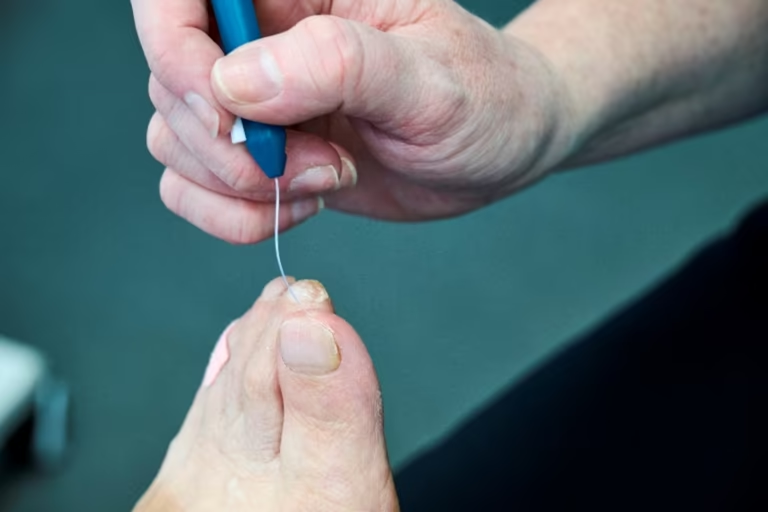
Your feet don’t just carry you through life they can also provide important clues about your overall health. Changes in your feet may be one of the first signs that something elsewhere in your body needs attention.
When most people think about visiting a podiatrist, they think about foot pain, corns, calluses or toenails.
But did you know that your feet can reveal far more than that?
Because your feet contain 26 bones, 33 joints, over 100 muscles, tendons and ligaments, and an extensive network of blood vessels and nerves, they are often among the first parts of the body to show signs of underlying health conditions.
At York Podiatry, we don’t just treat feet, we look at the whole person. Sometimes, what we see during a routine appointment can prompt further investigation, leading to earlier diagnosis and treatment of wider health conditions.
Here are just a few examples.
1. Diabetes
One of the most well-known conditions that affects the feet is diabetes.
High blood sugar levels can damage both the nerves and the blood vessels supplying the feet. This may lead to:
- Reduced sensation
- Burning or tingling
- Dry, cracked skin
- Slow-healing wounds
- Increased risk of infection
- Foot ulcers
Some people don’t realise they have reduced sensation until they injure themselves without feeling it.
Regular foot assessments are an important part of diabetes management and can help identify problems before they become serious.
2. Poor Circulation
Healthy circulation is essential for healthy feet.
Cold feet, changes in skin colour, slow-healing wounds, pain when walking or absent pulses may all suggest reduced blood flow.
Poor circulation may be associated with conditions such as Peripheral Arterial Disease (PAD), which is linked to an increased risk of heart attack and stroke.
During your assessment, we routinely examine circulation and can identify signs that may require further investigation by your GP or vascular specialist.
3. Arthritis
Foot pain isn’t always caused by overuse.
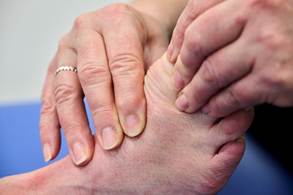
There are more than 30 joints in each foot, making them particularly vulnerable to arthritis.
We often see:
- Osteoarthritis
- Rheumatoid arthritis
- Gout
- Inflammatory arthritis
Pain, swelling, stiffness or changes in foot shape can all be early indicators.
Identifying these conditions early can improve long-term outcomes and help patients stay active.
4. Nerve Problems
Your feet contain thousands of nerve endings.
Changes in sensation such as:
- Numbness
- Tingling
- Burning
- Pins and needles
- Loss of balance
may indicate problems affecting the nervous system.
Whilst diabetes is a common cause, nerve symptoms can also be associated with vitamin deficiencies, spinal problems, medication side effects or other neurological conditions.
A thorough assessment helps identify when further investigation may be appropriate.
5. Skin Conditions
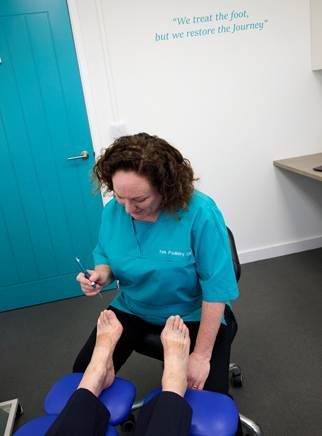
Your skin often provides valuable clues about your health.
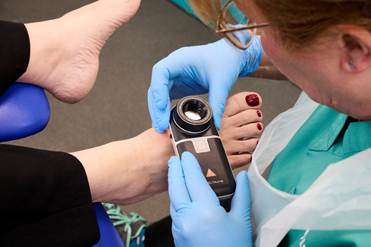
Persistent rashes, unusual pigmentation, slow-healing sores or changes in the appearance of a mole should never be ignored.
Occasionally, what appears to be a stubborn verruca or fungal nail infection can actually be something more serious.
As podiatrists, we’re trained to recognise when skin changes require referral for further investigation.
6. Changes in the Shape of Your Feet
Have your shoes become tighter?
Have you noticed new bunions, collapsing arches or toes changing position?
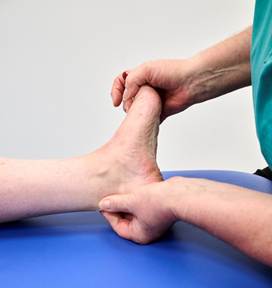
Whilst these changes can occur naturally over time, they may also indicate underlying conditions such as inflammatory arthritis, tendon dysfunction or muscle weakness.
Understanding why these changes have occurred helps us recommend the most appropriate treatment.
7. Your Walking Pattern
Sometimes the most important clues aren’t found by looking at your feet, they’re revealed by watching you walk.
Changes in gait can indicate:
- Muscle weakness
- Joint problems
- Balance disorders
- Nerve conditions
- Pain compensation
- Biomechanical dysfunction
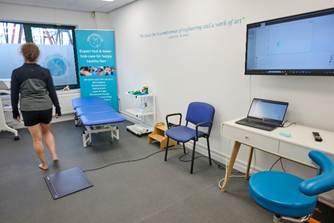
At York Podiatry, we perform comprehensive gait and biomechanical assessments to understand how your feet are functioning and how they may be affecting the rest of your body.
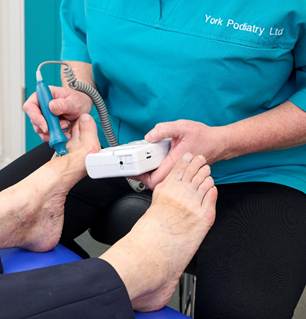
Using pressure plate technology, we can analyse how forces are distributed through your feet during standing and walking, helping us identify abnormal loading patterns that may not be visible during a standard examination.
Where appropriate, we can prescribe custom 3D-printed orthoses to improve foot function, redistribute pressure and reduce strain on joints, muscles and tendons.
Looking Beyond the Feet
Our role isn’t simply to relieve pain.
It’s to understand what’s causing it.
Sometimes that means recommending footwear advice or rehabilitation exercises.
Sometimes it means advanced treatments such as Class 4 Laser Therapy or Swiss DolorClast® Shockwave Therapy to encourage healing and reduce pain.
And sometimes, it means recognising that your foot problem may be the first sign of a wider health issue that needs further medical investigation.
That’s why a thorough assessment is so important.
Your Feet Are Talking—Are You Listening?
Your feet carry you every single day, but they can also tell an important story about your overall health.
Ignoring persistent pain, numbness, changes in skin colour or wounds that don’t heal could mean missing the early signs of a more significant condition.
At York Podiatry, we believe in looking beyond the symptoms. By combining clinical expertise with advanced assessment technology, we aim to identify the root cause of your concerns and help keep you healthy, active and moving with confidence.
If you’ve noticed changes in your feet, or if something simply doesn’t feel right, please don’t ignore it. A professional assessment could provide reassurance or identify an issue before it becomes more serious.